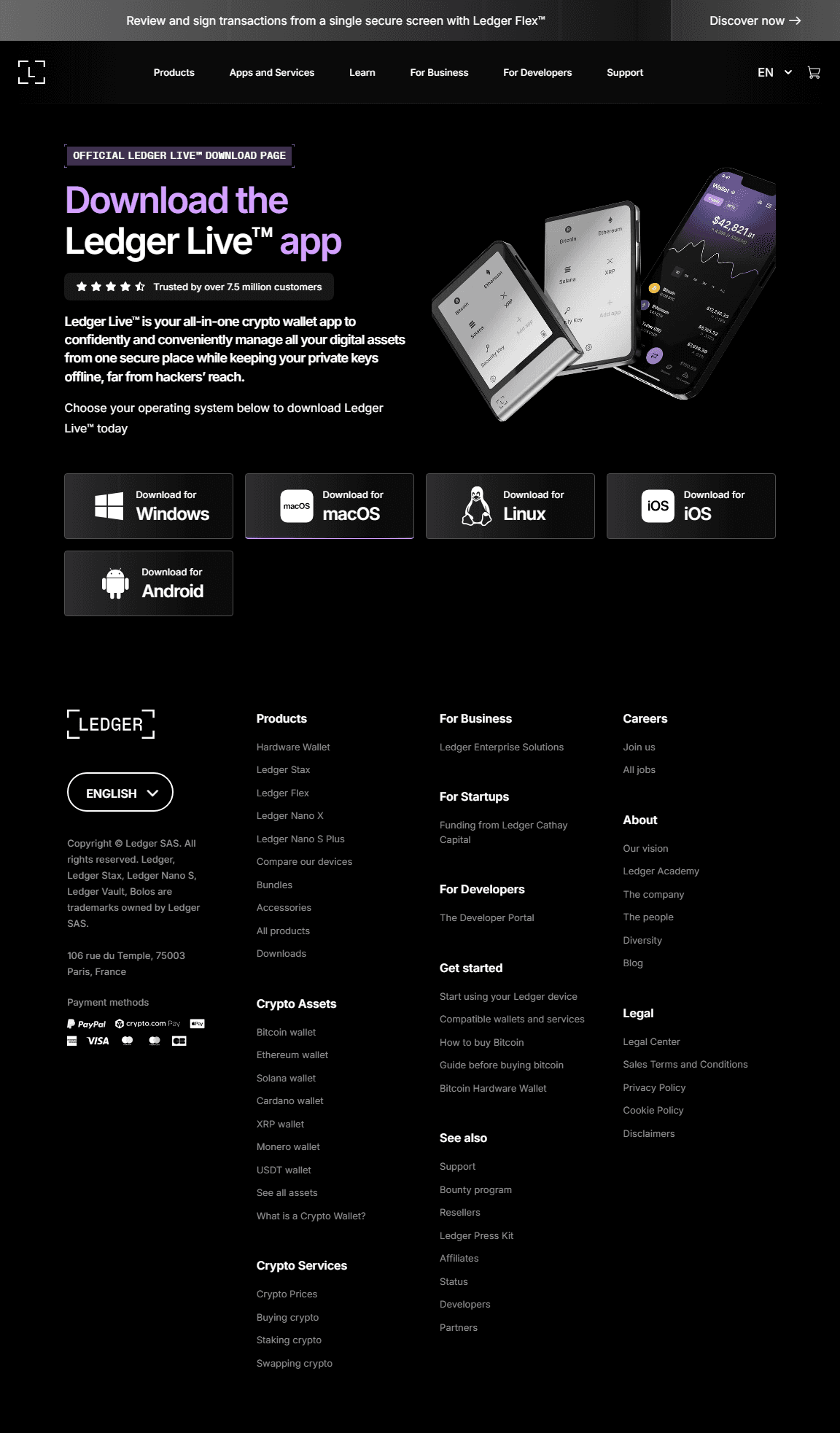
Ledger.com/Start: A Fresh 1200-Word Guide to Setting Up Your Ledger Hardware Wallet
Setting up a Ledger hardware wallet is one of the most important steps you can take to secure your cryptocurrency. When users arrive at the setup portal commonly referred to as ledger.com/start, they are guided through a process that ensures their hardware device is genuine, properly initialized, and ready to protect digital assets. This portal serves as the official starting point for anyone who wants to take control of their crypto through self-custody.
The following guide reimagines the setup experience from start to finish, explaining everything in clear, detailed language so you can feel confident as you begin your journey.
1. What Is Ledger.com/Start and Why Does It Matter?
Ledger’s start page is designed to prevent mistakes, misunderstandings, and security oversights during the critical first steps of owning a hardware wallet. Unlike software wallets or exchange accounts, Ledger devices rely on offline protection. This means the setup process must be done correctly from the very beginning.
The purpose of the start portal is to:
Verify the authenticity of your Ledger device
Guide you through the initial configuration
Help you create your recovery phrase safely
Provide instructions for installing Ledger Live
Ensure you understand the importance of self-custody
By following these steps, users can be confident that their device is secure and ready for storing digital assets.
2. Unboxing Your Ledger Device the Right Way
When you unbox your Ledger hardware wallet, take a moment to inspect everything carefully. Ledger devices are sealed and packaged in a way that makes tampering extremely difficult. It’s important to check for signs of damage or irregularities.
Inside the box, you will typically find:
The Ledger hardware wallet
A USB or charging cable
Documentation
Recovery sheets for writing down your recovery phrase
Avoid connecting the device to any computer or installing any software until you begin the official setup process. This helps ensure you follow all security recommendations from the start.
3. Powering On and Initializing the Device
Once you are ready, turn on your Ledger device. You will be guided step-by-step through the initialization process on the device’s screen.
Choosing Your PIN Code
The first action is creating a PIN code. This code prevents unauthorized users from accessing your hardware wallet.
Some guidelines to consider:
Choose a unique PIN
Avoid patterns like repeating digits
Never share the PIN
Memorize it instead of writing it down
Your PIN is the first barrier against unauthorized access, so treat it seriously.
4. Generating Your Recovery Phrase Safely
After choosing a PIN, the device will generate a recovery phrase. This phrase is a sequence of words displayed in a specific order. It represents the master key to your wallet.
Why the Recovery Phrase Is Critical
Your recovery phrase:
Grants access to all your crypto
Can restore your wallet on another device
Must never be photographed
Must never be typed into a website
Must be stored offline, securely, and privately
If anyone gains access to it, they can access your funds without restriction.
Writing It Down
Ledger provides official recovery sheets for this purpose. Write the words clearly and verify that the spelling is correct. The device will ask you to confirm the phrase by selecting the words in the correct order, ensuring there are no mistakes.
This is the single most important step in the setup process.
5. What Makes Ledger's Recovery System Unique
The recovery phrase is generated inside the hardware wallet using secure cryptographic methods. It is never sent to Ledger servers, never shared with your computer, and never transmitted online.
Your hardware wallet does not store your actual crypto. Instead, it protects the private keys that grant access to your blockchain accounts. This separation between device and blockchain is what makes Ledger security so effective.
6. Installing Ledger Live on Your Device
The next part of the setup involves installing Ledger Live. This software acts as your management dashboard—it’s where you view balances, send crypto, install apps, and check the status of your accounts.
Ledger Live works alongside your hardware wallet, but it does not store private keys. Instead, it interacts with your device to create and verify transactions.
Initial Setup Inside Ledger Live
When you first open the application, you will be guided through:
Confirming your device type
Installing essential apps for different cryptocurrencies
Setting up your accounts
Checking for firmware updates
Running security checks
Each step helps establish a secure connection between the software and your hardware wallet.
7. Verifying Your Ledger Device
During the initial setup in Ledger Live, the software may prompt you to verify the authenticity of your device. Ledger’s security system checks whether the internal components match those of genuine devices.
This ensures:
The device has not been tampered with
The firmware is legitimate
The secure element has not been compromised
Completing this verification step gives you confidence that your wallet is trustworthy.
8. Installing Apps for Supported Cryptocurrencies
Each blockchain requires a unique application installed on your Ledger hardware wallet. For example:
Bitcoin has its own app
Ethereum has its own app
Many altcoins have separate apps
Your Ledger device can support multiple apps at once, depending on the model. Once installed, these apps allow the device to communicate with their respective networks through Ledger Live.
Installing apps takes only a few seconds, but it is a required step before you begin sending or receiving any cryptocurrency.
9. Adding Blockchain Accounts in Ledger Live
After installing the necessary apps, you can begin adding blockchain accounts.
Each account:
Displays balances
Shows transaction histories
Generates addresses
It is important to understand that your accounts are derived from your recovery phrase. This means your account is always tied to your hardware wallet, not your computer.
Ledger Live simply presents these accounts in an organized way.
10. Receiving Crypto for the First Time
Receiving crypto is often the first real action taken after setup.
The process is as follows:
Select an account in Ledger Live
Choose the option to receive
Ledger Live displays a receiving address
The device shows the same address
You confirm the address on the hardware wallet
Funds can now be sent to that address
The confirmation step is extremely important because it prevents address manipulation attacks. The address must match on both the computer and the Ledger screen.
11. Sending Crypto with Hardware-Level Protection
When sending crypto, Ledger ensures no transaction can be completed without physical approval.
This means:
You create a transaction in Ledger Live
The transaction is sent to your device
The device displays all details
You approve or reject the transaction
Only after approval is the transaction signed
This protects you from unauthorized withdrawals, even if the computer is compromised.
12. Keeping Your Device Updated
During setup and over time, Ledger may release firmware updates. These updates include:
Security patches
Expanded crypto support
User-interface improvements
Bug fixes
Updating is simple and safe. Your private keys and recovery phrase remain intact, and your accounts remain accessible after the update.
13. Practicing Long-Term Security
Once setup is complete, maintaining good habits ensures your wallet remains secure.
Some essential precautions include:
Never share your recovery phrase
Avoid taking digital photos of your recovery sheet
Keep your hardware wallet in a secure place
Protect your PIN
Use only trusted computers and networks when managing assets
Store your recovery phrase separately from your device
Self-custody gives you full control, but it also requires responsibility.
Conclusion
The setup journey provided by Ledger’s start process ensures that your hardware wallet is initialized correctly, securely, and confidently. From creating your recovery phrase to installing Ledger Live and verifying your device, each step is designed to build a strong foundation for long-term crypto security.
Whether you’re a beginner or a seasoned crypto holder, following these guidelines empowers you to maintain complete control of your digital assets. With a Ledger device properly set up, your private keys stay offline, your assets stay protected, and your crypto journey begins on solid ground.